This guide is what worked for us and the people we've helped — it is not legal advice, and we are not legal professionals. Rules change, every situation is different, and the cost of getting it wrong (denied visas, double taxation, fines, missed deadlines) is real.
Before you act on anything here, speak with a qualified legal professional — an immigration lawyer (abogado de extranjería), a cross-border tax accountant, or a licensed gestor — who can review your specific facts. Use this guide to know what questions to ask, not as a substitute for paid advice.
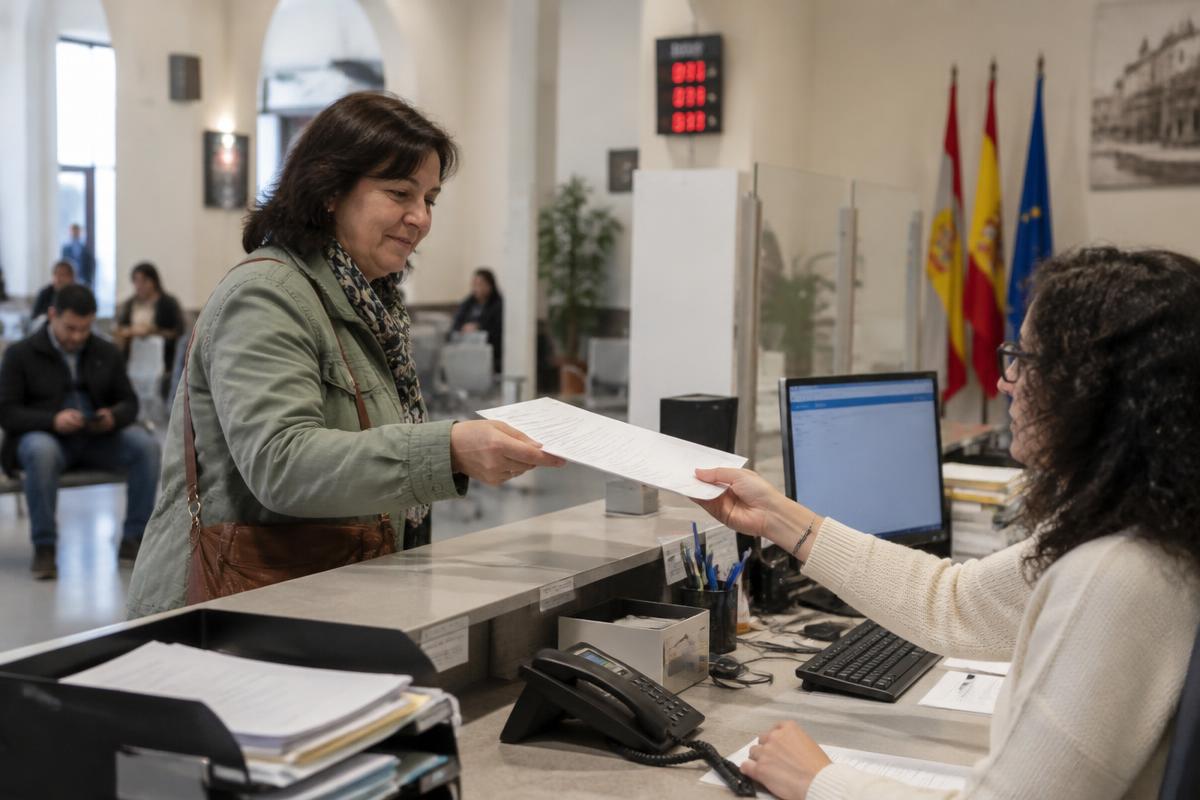
The empadronamiento (or padrón) is your registration on the rolls of your local town hall — your ayuntamiento. Spain uses it to count residents, allocate health and school funding, and verify that you actually live where you say you do.
Almost every other piece of paperwork in Spain — your TIE, your healthcare card, getting your kids into a public school, sometimes even a long-term rental — asks for a current certificado de empadronamiento. Do it in your first two weeks.
Your passport (and your TIE if you already have it), a completed solicitud de empadronamiento form (downloadable from your city's website), and proof of address.
Proof of address means one of: a signed long-term rental contract in your name, the property deed (escritura) if you own, the latest utility bill in your name (Endesa, Iberdrola, Naturgy, Aigües de Barcelona), or — if you're subletting — an autorización signed by the registered tenant plus a copy of their ID and their padrón.
If you're a couple, both partners need to appear in person (or sign a power of attorney). Children go with their birth certificates, apostilled and sworn-translated if foreign.